Repositioning a Hotel: Where Design Fits and What to Decide First
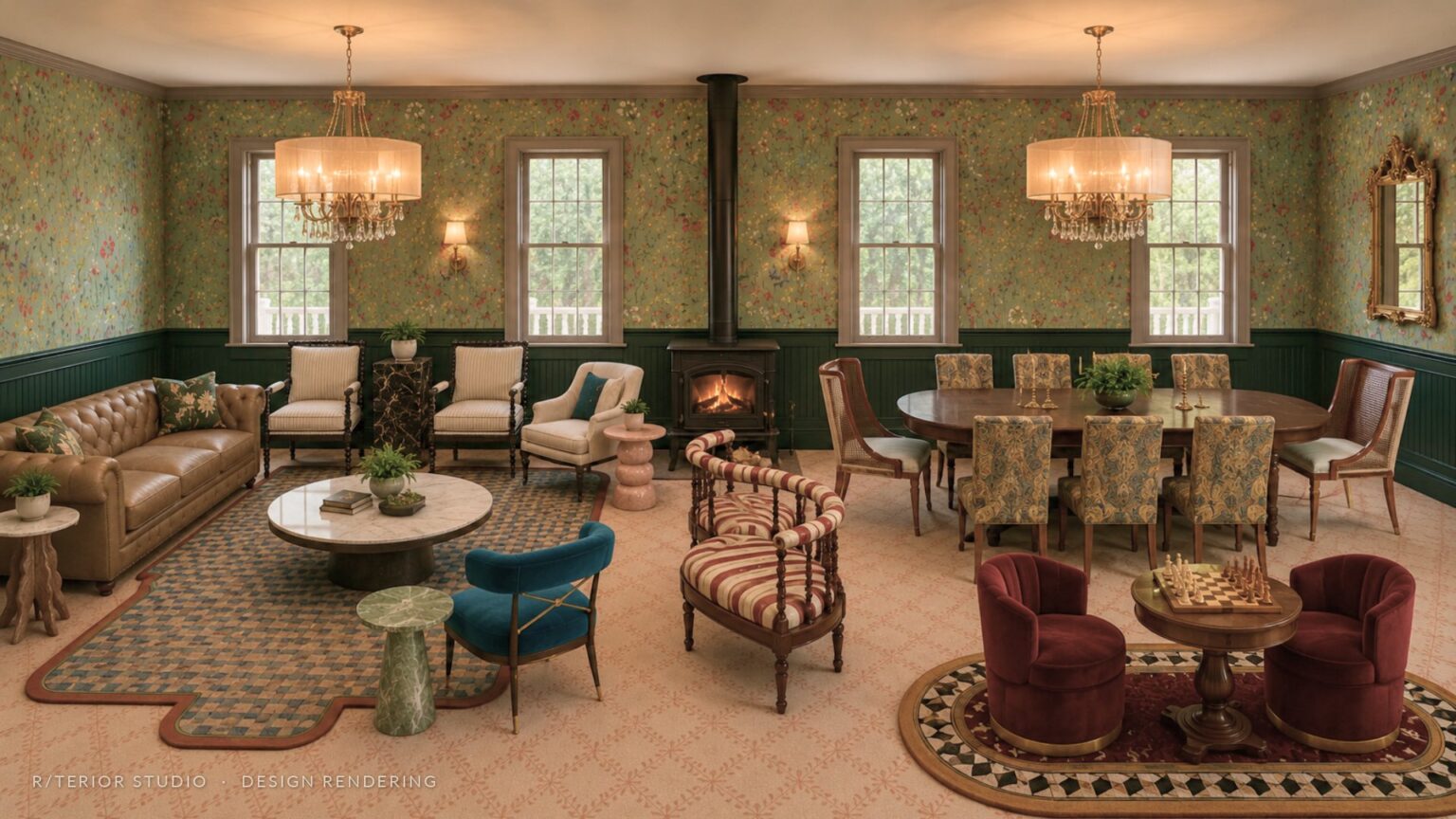
Repositioning a hotel means changing who the property is for and what it can charge, then making every part of the guest experience agree with that decision. New finishes alone are a refresh. A repositioning starts with the guest you want to win and the rate you need to earn, and works backward into brand, story, design, service and operations. For a boutique property, the design is usually the most visible part of the change, but it only works when it follows the strategy instead of standing in for one.
Refresh, renovation, rebrand or repositioning
These words get used interchangeably, and that confusion is expensive. Owners budget for one and discover they needed another.
| Project | What changes | What stays the same |
| Refresh | Soft goods, paint, some furniture | Guest, rate, brand and story |
| Renovation | Rooms, bathrooms, public spaces, systems | Usually the guest and the brand |
| Rebrand or reflag | Name, brand standards, sometimes the operator | Often the building’s layout and much of its product |
| Repositioning | The target guest and rate, and everything that has to change to earn them | Only what supports the new position |
A repositioning can include a renovation and a rebrand. The difference is that the market decision comes first and every design decision is tested against it.
Start with the guest, not the mood board
Before any design work, repositioning a hotel needs clear answers to four questions:
- Who stays now, and who do you want instead? Leisure couples, remote workers, wedding parties and business travelers want different rooms.
- What rate do you need to earn, and who already earns it nearby? The competitive set tells you what guests at that price expect to see.
- Why would someone choose you? For a boutique hotel, the answer is often the place itself: its history, its town, its landscape.
- Can the operation deliver it? A design that promises a bar scene, a spa or a restaurant has to be staffed and run.
Many owners bring in a market or feasibility study at this stage. The design brief should be written from its conclusions.
Keep what makes the property worth repositioning
Older and independent hotels often have something new construction cannot buy: original millwork, a staircase, a fireplace, a view, a building with a history guests want to be part of. The first design task is an inventory of what to keep, restore and reveal. The second is deciding what is working against the new position, from dated layouts to finishes that read as a different price point.
Historic buildings come with their own rules. In California, the State Historical Building Code can offer alternatives for qualified historic buildings, and local preservation review may apply. Find out early, because it changes what is possible and how long approvals take.
Where the money usually goes first
Repositioning budgets are rarely large enough to do everything. The spaces that change perception fastest tend to come first.
- Arrival and public spaces. The entry, lobby, bar and restaurant set the price expectation before a guest reaches their room, and they are the spaces guests photograph and share.
- Guest room touchpoints. Beds, lighting, the bathroom and the view from the bed carry most of the in-room impression.
- The story. Signage, art, naming and the small objects guests handle are relatively inexpensive and make the new position legible.
- What guests do not see. Systems, accessibility and life safety are not optional. Renovation work can trigger code upgrades, so put them in the budget early rather than discovering them during permitting.
For context on scale, the HVS 2023 U.S. Hotel Development Cost Survey put the median FF&E cost for redevelopment projects at $26,267 per room, with a median total of $317,333 per room for projects in 2021 and 2022. A repositioning that keeps the building and focuses on interiors can cost far less, or more, depending on scope. Our guide to boutique hotel cost per key explains the categories. If the property carries a brand flag, the work may also have to satisfy a property improvement plan, covered in our guide to hotel PIP renovation. For who orders, tracks and installs the furniture, see hotel FF&E procurement.
Staying open while you reposition
Many independent hotels cannot afford to close. Phasing the work by floor or wing keeps revenue coming in, but it adds cost and time, and it means guests will see the old and new product side by side. Plan the guest experience during construction as carefully as the finished hotel: noise windows, separated routes, honest communication and pricing that reflects what guests are getting.
Common questions
What does repositioning a hotel mean?
It means changing the hotel’s target guest and price point, and then changing the brand, design, service and operations so the whole experience matches that new position. It is a strategy decision first and a design project second.
What is the difference between rebranding and renovating a hotel?
A renovation changes the physical product: rooms, finishes, systems. A rebrand changes the name and identity, and sometimes the brand standards or operator. A repositioning often includes both, driven by a decision to serve a different guest.
How much does it cost to reposition a hotel?
It depends almost entirely on scope. A repositioning focused on public spaces and guest room touchpoints costs far less than one that replaces systems and reconfigures rooms. Published development surveys, such as HVS’s, give context but are not a substitute for a project budget.
Can a hotel stay open during a repositioning?
Often, yes, by phasing work floor by floor or space by space. It extends the schedule and adds cost, and it needs a plan for how guests experience the hotel while work is underway.
What should you look for in a design firm to reposition a boutique property?
Look for a firm that asks about your guest, rate and competitive set before it shows you a mood board. Ask how it decides what to keep, how it works within a phased schedule, and whether it can carry the FF&E from specification through installation. Our guide to questions to ask a hospitality designer covers the rest.
Where should a limited repositioning budget go first?
Usually to arrival, public spaces and the guest room touchpoints that carry the strongest impression, after any code and life safety work the project requires.
Where to start
R/terior Studio designs narrative-led interiors for boutique hotels, and A Victorian on the Mendocino Coast, shown above in rendering, is currently on our boards. If you are repositioning a hotel, a Design Strategy Session is a focused way to test the guest, the story and where the budget should go first. See our boutique hotel interior design work or read our approach.