What It’s Like to Work with R/terior Studio
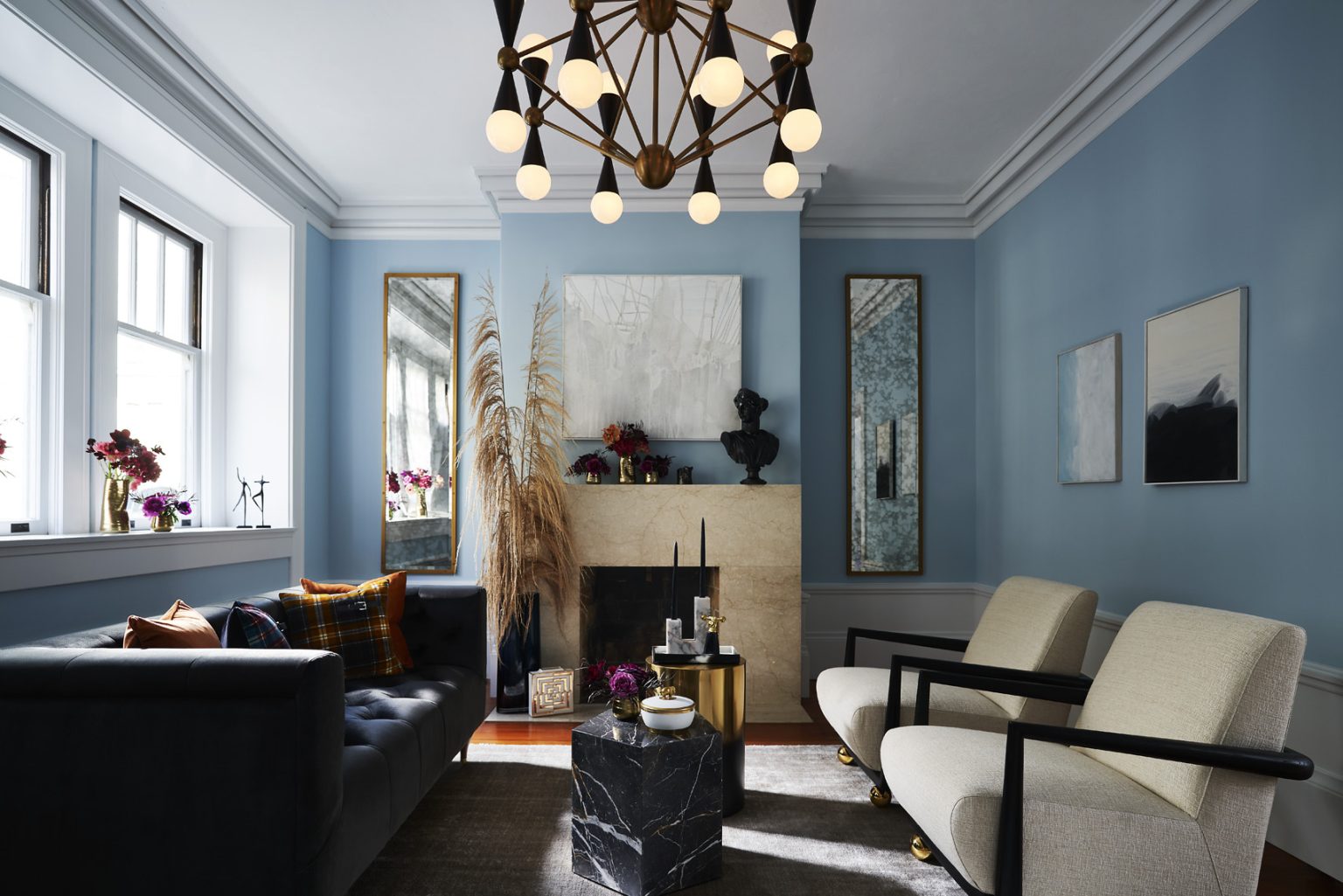
The interior design process here moves through five stages, always in the same order. Each stage answers one question and ends with something you can hold, read and respond to — so you are never asked to approve a feeling, and never surprised by what arrives.
That is the short version. Here is what it actually looks like from your side of it.
Before anything starts
Most engagements begin with a conversation rather than a contract. We want to know what the space has to do, who is in it, how long you are staying, and what has already been tried. You will not be shown images in that first conversation, deliberately — looking at pictures too early anchors a project to an aesthetic before anyone has worked out what the problem is.
If it is a fit on both sides, scope and investment get defined from that conversation, not from a template.
The five stages
One: Cultural Decode
What is the story we are actually telling?
We draw out identity together — heritage, background and travel, the rituals your family keeps, the generations who share the space, the objects and symbols that carry meaning. For a hospitality or brand project, this is where we find the DNA that everything else has to stay true to.
You receive a Cultural Narrative Brief and Emotional & Identity Mapping.
Two: Intent & Emotion Mapping
What should this space make you feel, every day?
We name the outcomes plainly — calm, power, joy, nostalgia — then map how the space will actually be lived in, and which layers of light, texture, sound and movement will carry those feelings.
You receive an Emotional Blueprint and Experience Zones.
Three: Design Translation
How does identity become form?
This is where it becomes architecture rather than atmosphere. Adjacencies, thresholds, sightlines, circulation. Where privacy sits, where gathering happens, where the daily rituals land. All of it resolved before a single palette is discussed.
You receive spatial planning and adjacencies, thresholds and sightlines, and circulation, privacy and gathering.
Four: Experiential Layering
What makes this space unforgettable?
With the plan settled, the sensory work begins: palettes, materials, light, texture, sound, then custom pieces, art and the objects that mean something. Every one of these choices is checked back against the rituals and needs defined in stages one and two.
You receive material and sensory palettes, a styling and storytelling plan, and signature focal moments.
Five: Realization & Refinement
Execution without dilution.
The stage where most projects quietly lose what made them good. Vendors get kept aligned, the design gets protected through installation, and the final styling happens in person — then we confirm the space actually feels the way we set out for it to feel.
You receive final install direction and styling and finishing layers.
What we need from you
| Honesty, early | About budget, about taste, about what you secretly hate. Late honesty is the single most expensive thing in a project. |
| One decision-maker, or two who have already agreed | We can mediate taste. We cannot mediate whether you are renovating. |
| Responses within about a week | Lead times are unforgiving. A fortnight’s silence at stage three can move an install by a month. |
| Access | To the space, to measurements, and to whoever else is working on it. |
How we work with culture
Culture is the material we work with most carefully, and the one most easily handled badly. Four principles govern it: curiosity before assumption, research before reference, specific over generic, and attribution wherever it is owed. In practice that means we ask before we interpret, and no motif or material appears in your home without us understanding where it came from and what it means.
Common questions
Do I have to do all five stages?
For a full project, yes — the order is what makes it work, and skipping stage three to get to the palettes faster is how rooms end up beautiful and unlivable. For smaller or advisory engagements, the scope is set to match.
How long does a project take?
The design stages are measured in weeks. Everything after is governed by lead times, trades and permits, which is why any honest answer is a range rather than a date. A full home commonly runs several months to over a year.
Do you work outside Los Angeles?
Yes. The studio is Los Angeles based and works on residential, hospitality and branded environments elsewhere, with site visits scheduled around the stages that need them.
What does it cost?
Scope and investment are defined in the first conversation rather than quoted from a list, because a single room and a boutique hotel are not the same engagement. Our inquiry form asks for an estimated investment range so that first conversation starts in the right place.
Can you work alongside my architect or contractor?
Yes, and the earlier we are brought in alongside them, the more useful we are. Decisions about light, circulation and adjacency are cheap on a drawing and expensive once framed.
What if I do not like the direction?
You will have said so by stage two, because stage two exists to surface it before anything has been specified. That is the purpose of ending each stage with a document rather than a conversation — there is always something concrete to disagree with.
Where to start
If you are weighing whether this is the right moment at all, start with how to know if you are ready. If you already know, a Design Strategy Session is the shortest route to a decision about scope.
For the thinking underneath all of this — the philosophy, the framework and the full methodology — see our approach.