How to Know If You’re Ready to Hire an Interior Designer
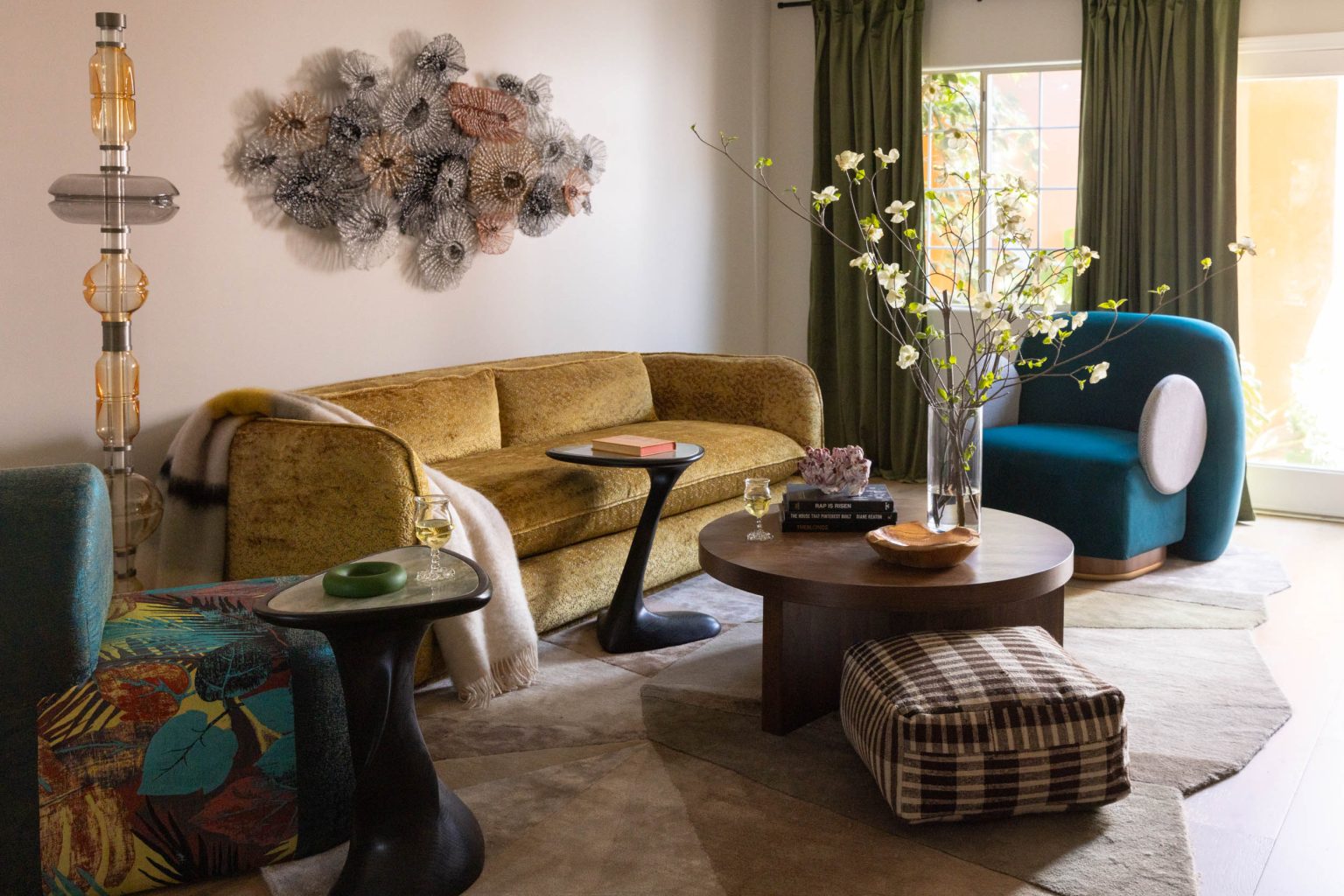
You are ready to hire an interior designer when you know what you want a space to do, but not what it should look like — and when the cost of getting it wrong has become higher than the cost of getting help. Both things, together. One without the other usually means waiting a little longer.
That is the short answer. The longer one is more useful, because most people asking this question are not actually asking it.
The question behind the question
When someone asks whether they are ready to work with a designer, they are usually asking one of three other things. Can I afford this. Will I lose control of my own house. Am I about to pay someone for work I could do myself on a weekend.
All three are reasonable. None of them are about readiness. They are about trust, and they get answered in a conversation, not in an article. What an article can do is help you tell the difference between a room that needs a designer and a room that needs a decision.
Five signs you are ready
You have been looking at the same room for more than a year. Not disliking it actively. Just walking past it. A room you have stopped seeing is a room that has defeated you, and that is a design problem rather than a motivation problem.
You have already bought things that do not work together. A beautiful chair that fights the rug. A light fixture that looked right in the showroom and wrong at home. This is the most common and most expensive version of being ready, because the money is already spent.
The problem is structural, not decorative. The kitchen island is in the wrong place. There is no natural spot to put a coat. Three people need to use one room at the same time and it was built for one. No amount of styling solves a plan problem.
You are about to spend serious money anyway. A renovation, a move, a build. The design fee is a fraction of the construction budget, and it is the part that decides whether the rest of it was spent well.
Your life is changing shape. A baby. Parents moving in. Work that came home and never left. The house that fit the old life will not quietly reshape itself around the new one.
Three signs to wait
You do not know how long you are staying. If the answer is under two years, spend on the things you can take with you and leave the walls alone.
You and the other decision-maker have not agreed. A designer can mediate taste. A designer cannot mediate whether you are renovating at all. Settle that first, at your own kitchen table, and the process afterwards is ten times smoother.
You want someone to confirm a plan you have already made. That is a draftsperson, and it is a perfectly good thing to hire. It is just not the same service, and paying designer fees for it will frustrate you both.
What changes when you bring someone in
| On your own | With a designer |
| You choose from everything | You choose from three considered options |
| Decisions are made one at a time, as they come up | Decisions are made in the right order, before they are urgent |
| Trade pricing and workrooms are closed to you | Trade accounts, custom fabrication and lead-time management open up |
| Mistakes are discovered after delivery | Mistakes are discovered on paper |
| The room reflects what was available | The room reflects how you actually live |
The real difference is not taste. It is sequence. Most rooms that disappoint their owners were not badly styled — they were decided in the wrong order.
What it costs, honestly
Designers charge in a few different ways, and the structure matters more than the headline number. A flat fee per phase tells you what the whole thing costs before you start. Hourly suits small, well-defined problems. Per square foot suits large projects with a clear scope. Procurement is usually handled separately, through the studio’s trade accounts.
Ask any designer you speak with to tell you which model they use and what is excluded. The excluded list is the one that surprises people.
Common questions
Do I have to give up control of my own home?
No, and a designer who wants that is the wrong one. What you give up is the obligation to have an opinion about every single thing. You keep the decisions that matter to you and hand over the four hundred that do not.
Can I hire a designer for just one room?
Yes. Single rooms are often the best first engagement, because you find out how you like working together before committing a whole house to it.
What is the difference between an interior designer and a decorator?
A decorator works with the room as built — finishes, furniture, styling. A designer can change the room itself: layout, light, built-in elements, how you move through it. If your problem is the plan, you need the second one.
How long does it take?
Design itself is usually weeks. Everything after it is governed by lead times, trades and permits, which is why the honest answer from any designer is a range rather than a date. A full room, from first conversation to installed, commonly runs several months.
Is it worth it for a small home?
Small homes benefit more, not less. When there is no spare square footage, every decision has to earn its place, and that is precisely the work.
Where to start
If you read the five signs above and recognized yourself in two or more, you are ready. The next step is not a mood board. It is a conversation about what the space has to do.
Our Design Strategy Session exists for exactly this moment — a single working session to decide what the project actually is, before anyone spends anything. If you would rather read more about how we think about this first, our approach sets it out, and this essay on what real luxury means covers the part most design advice leaves out.