The House That Holds Us.
Residential interior design
Valencia, CA | Interior Design
A home designed for the way three generations actually live
The House That Holds Us is not a client project. It is our own home in Valencia, California—the place where three generations of one family share meals, mornings and the small negotiations that keep a household running.
The family
Rydhima and Sirtaj Brar live here with their two daughters and Rydhima’s parents. The household runs on two working schedules, two school calendars, an elderly couple’s daily rhythms and the particular brand of controlled chaos that comes with young children who know exactly where their grandparents’ room is. Everyone eats together most nights. Everyone also needs a door they can close.
The house
Valencia is not a neighborhood that announces itself. The house is a standard Southern California tract build, the kind of floor plan that assumes one generation, one kitchen workflow and one definition of a living room. Making it hold a multigenerational household meant rethinking circulation, storage, privacy and acoustics without the budget or the square footage for an addition. Every decision had to earn its place.
Kitchen for two cooks
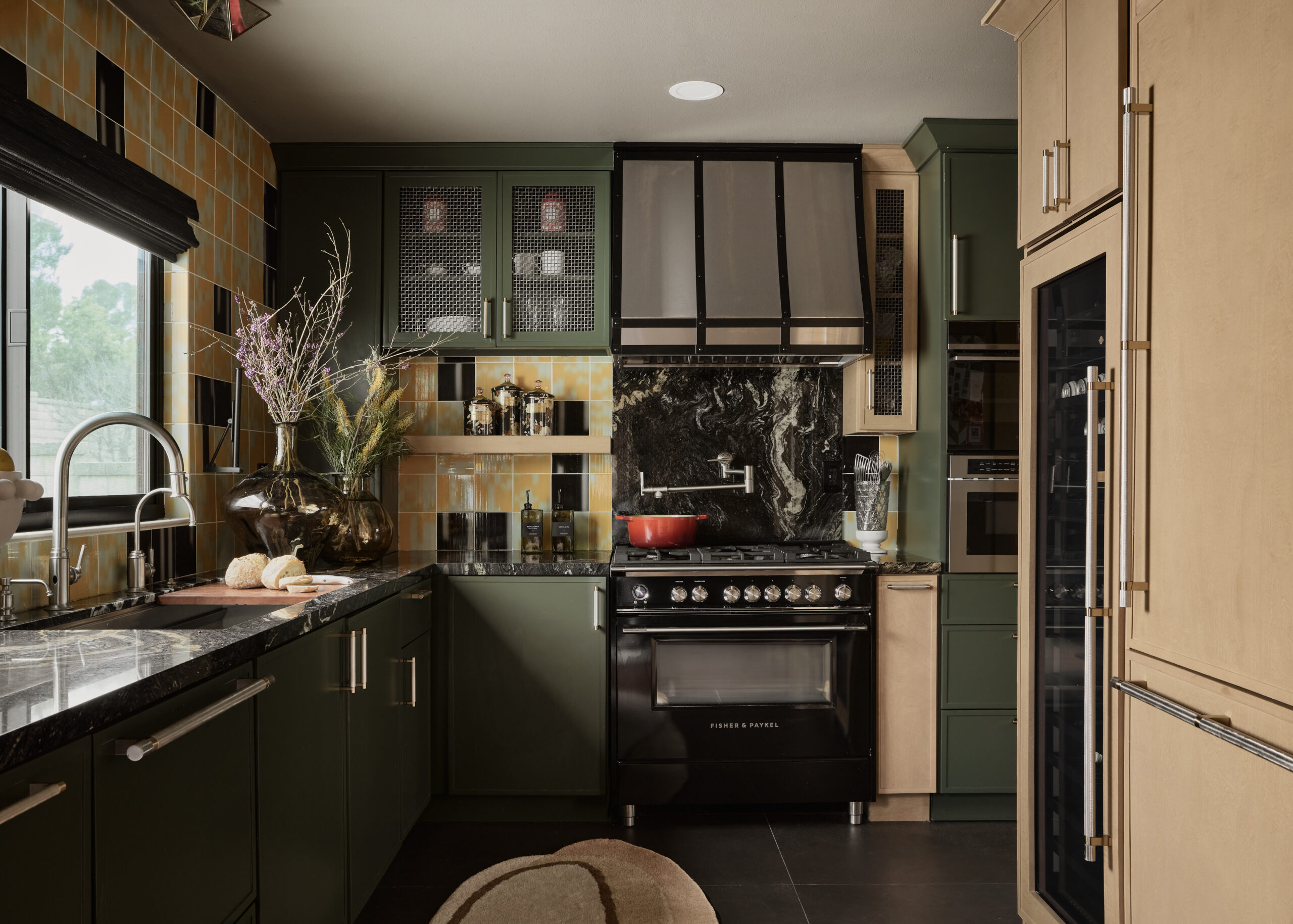
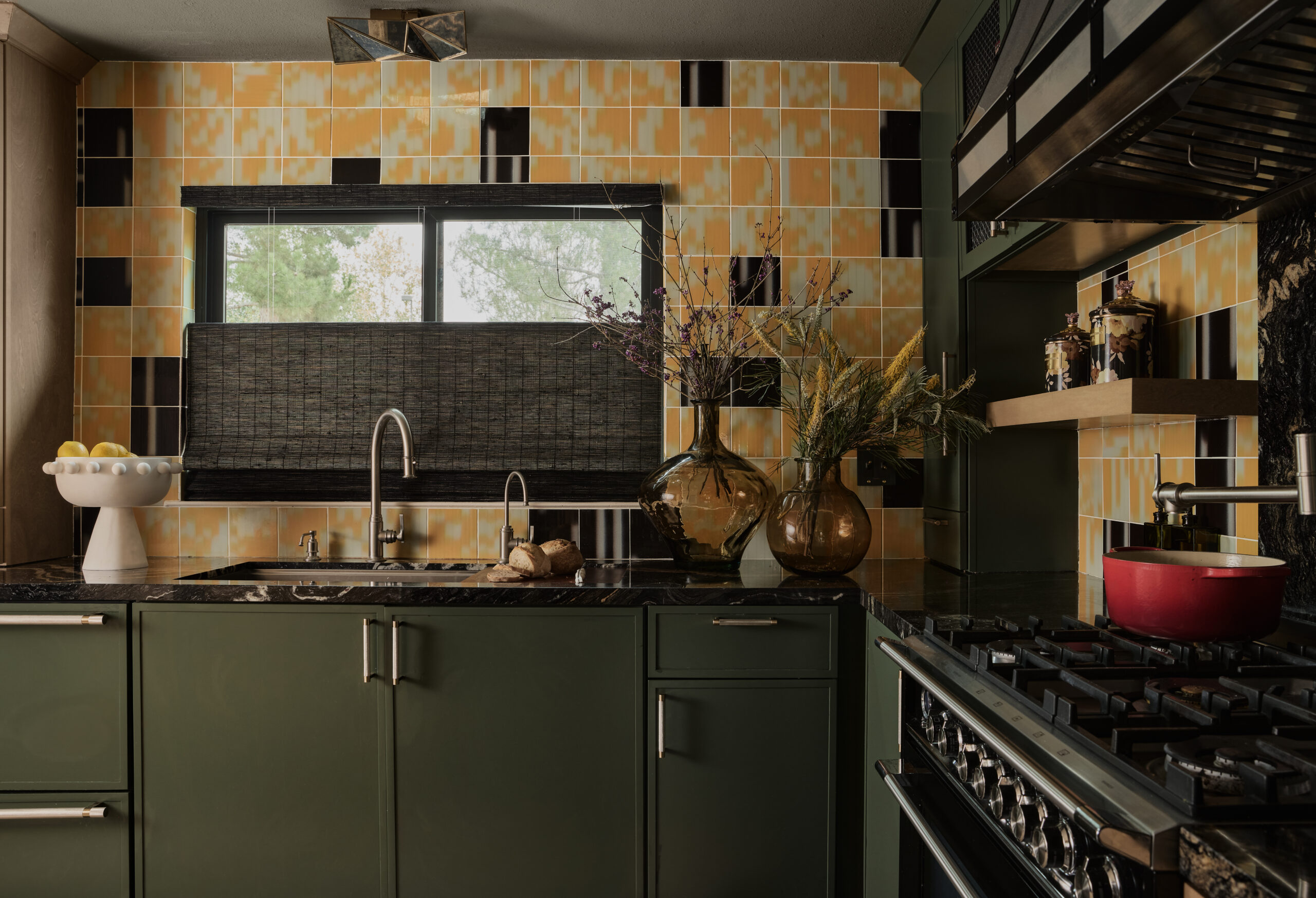
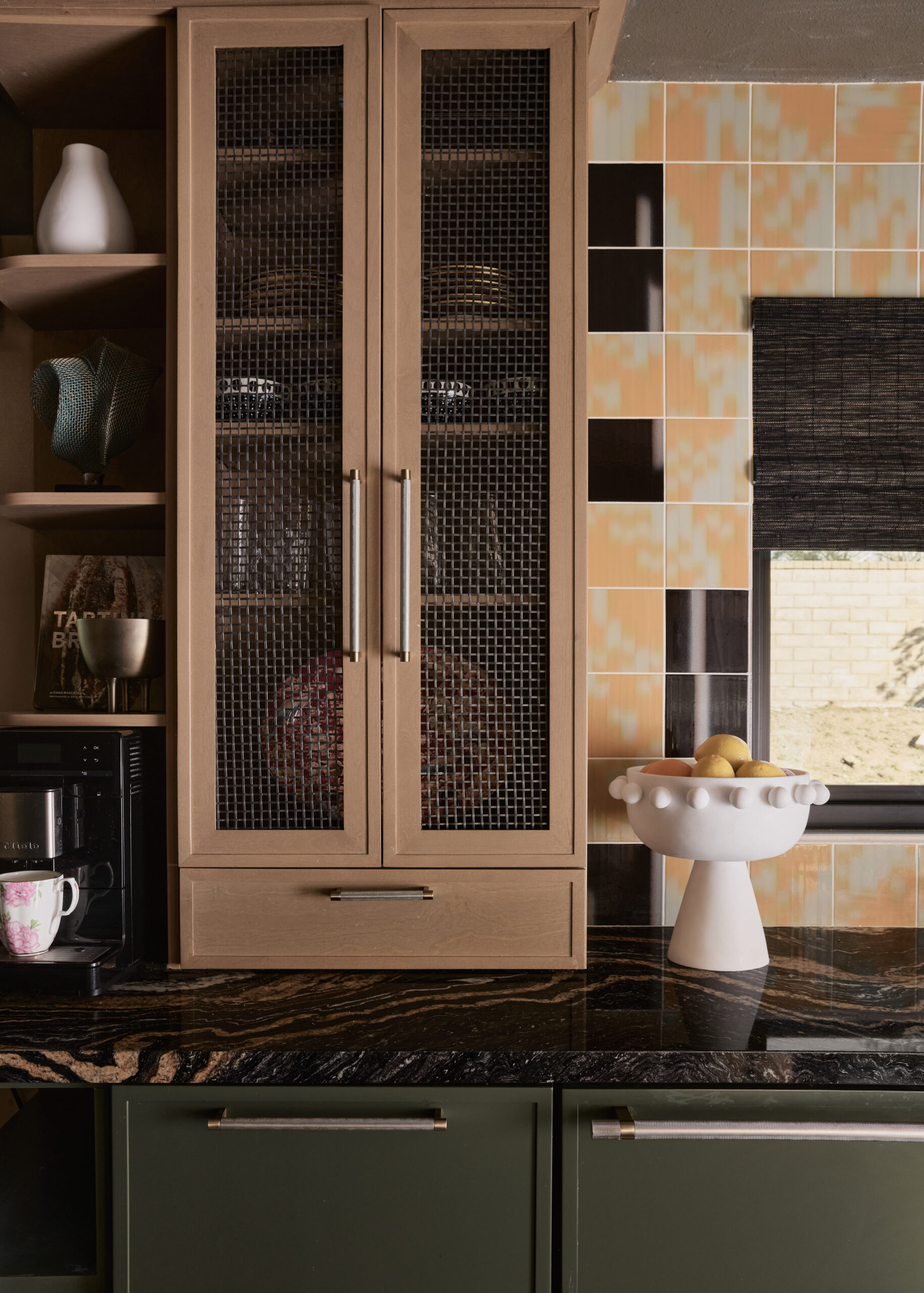
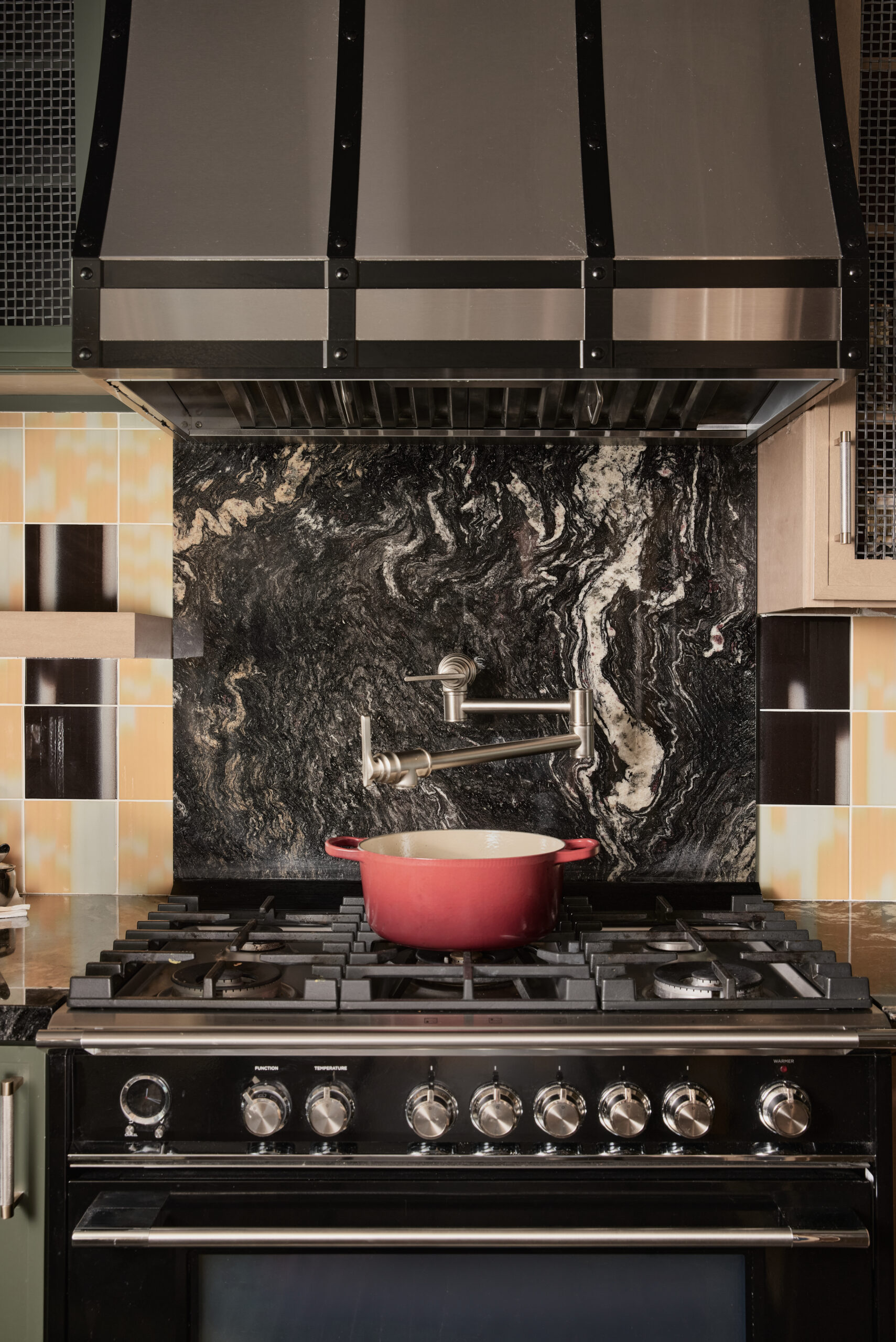
The kitchen was the first room to change. Two cooks with different spice palettes, different pan sizes and different ideas about how close the cutting board should be to the flame cannot share a single-line counter gracefully. We reorganized the layout to create two working zones that share the stove but separate prep, with enough clearance that a large pot of dal and a school lunchbox can happen at the same time without anyone asking the other to move.
Bathrooms
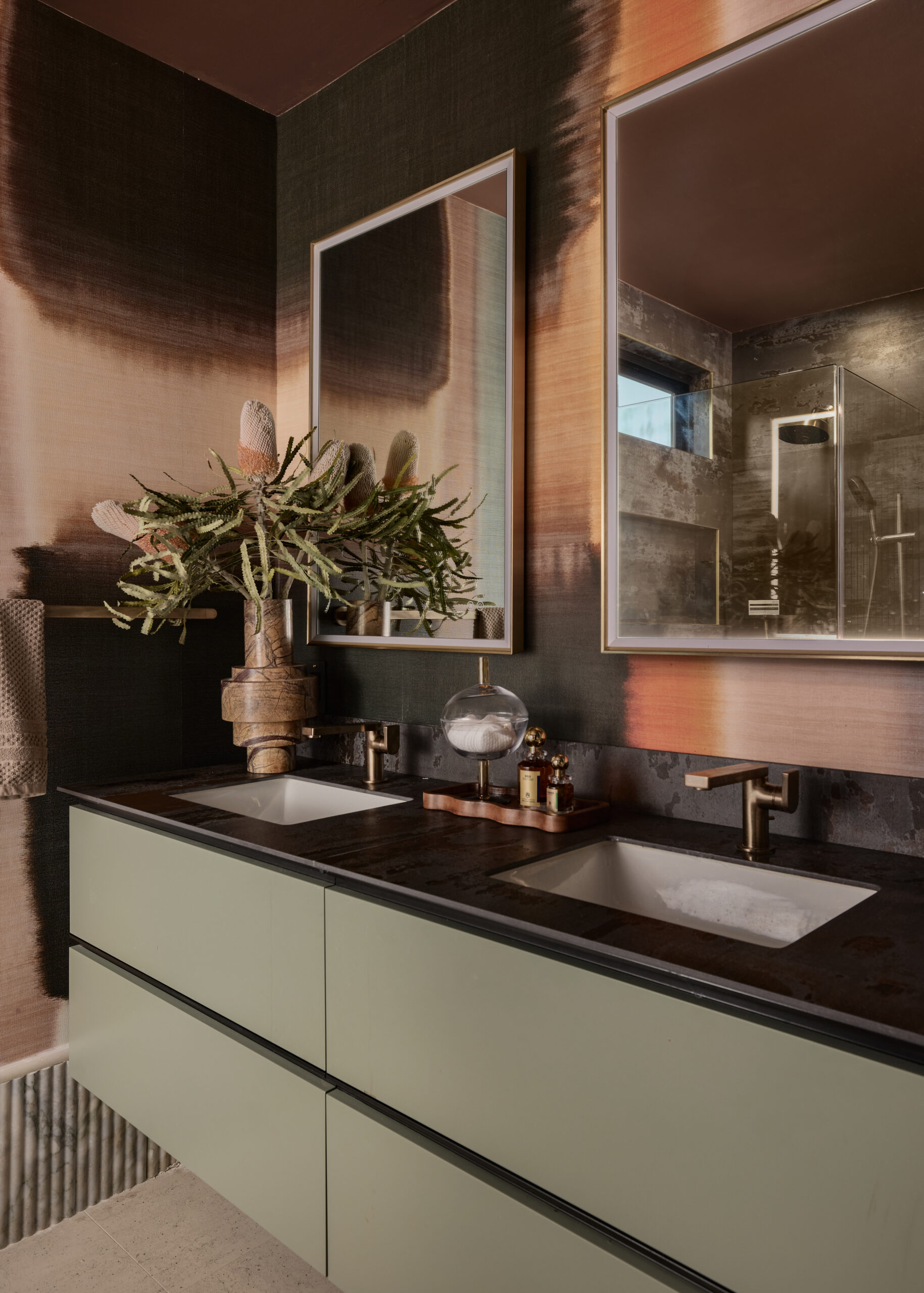
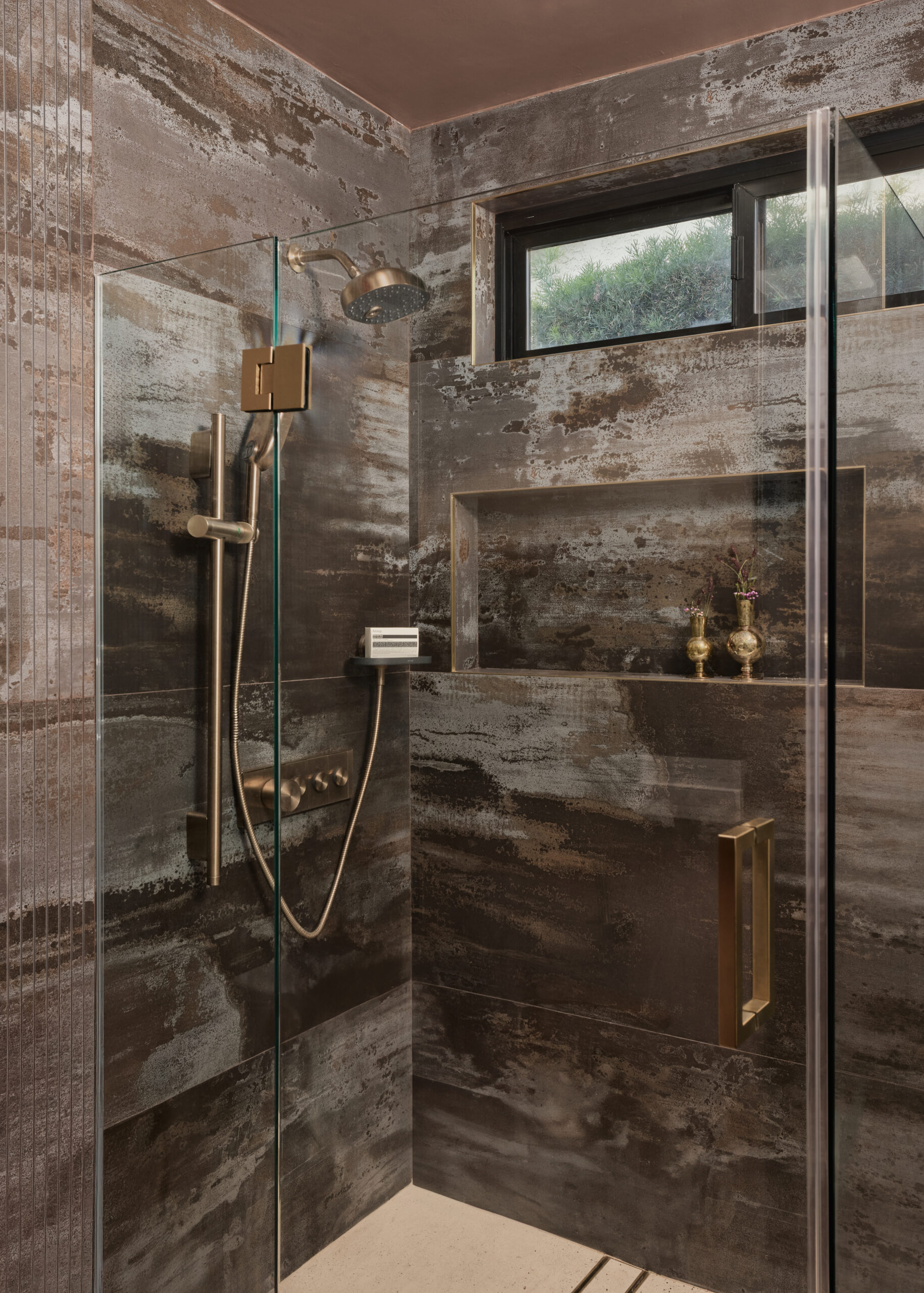
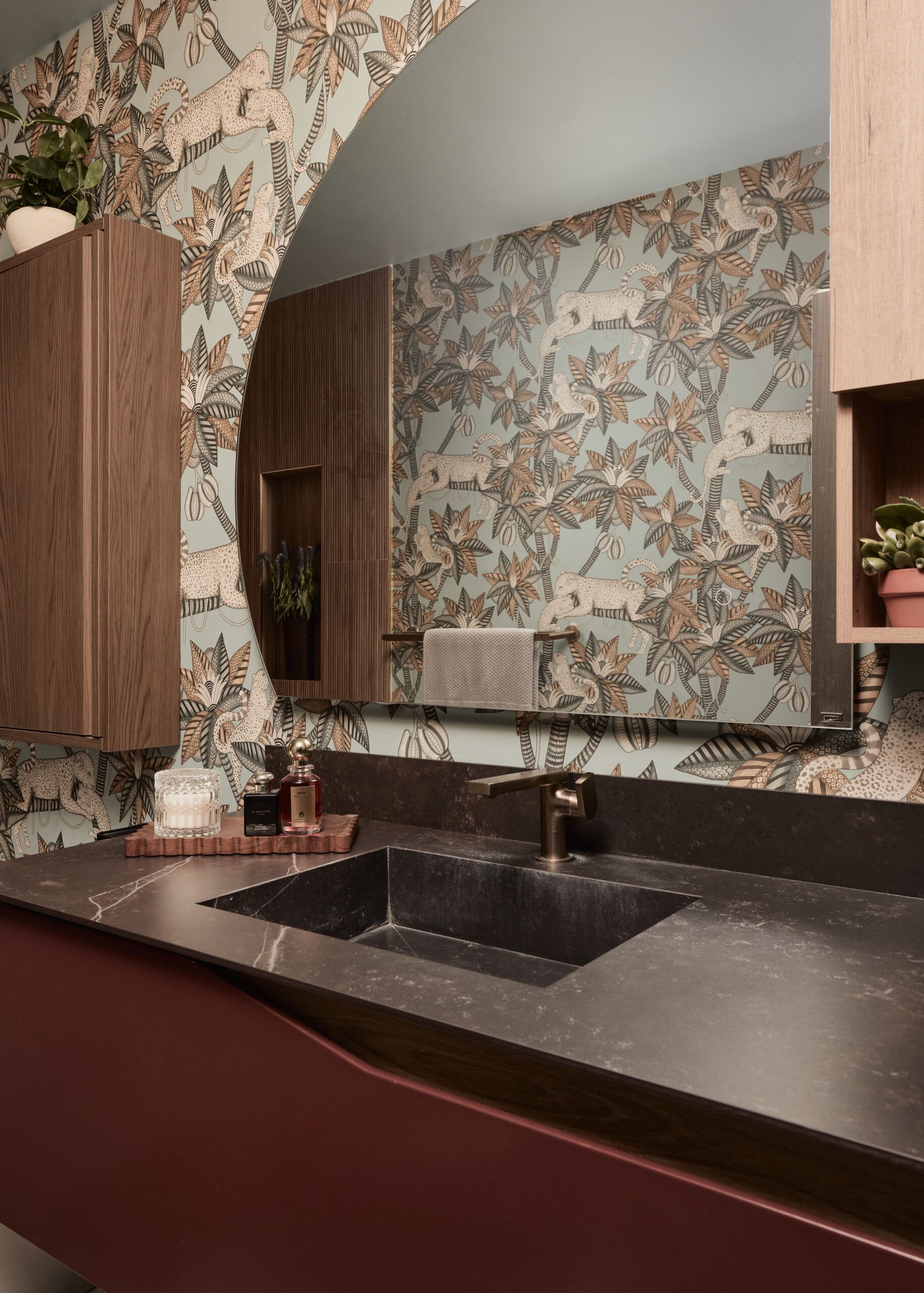
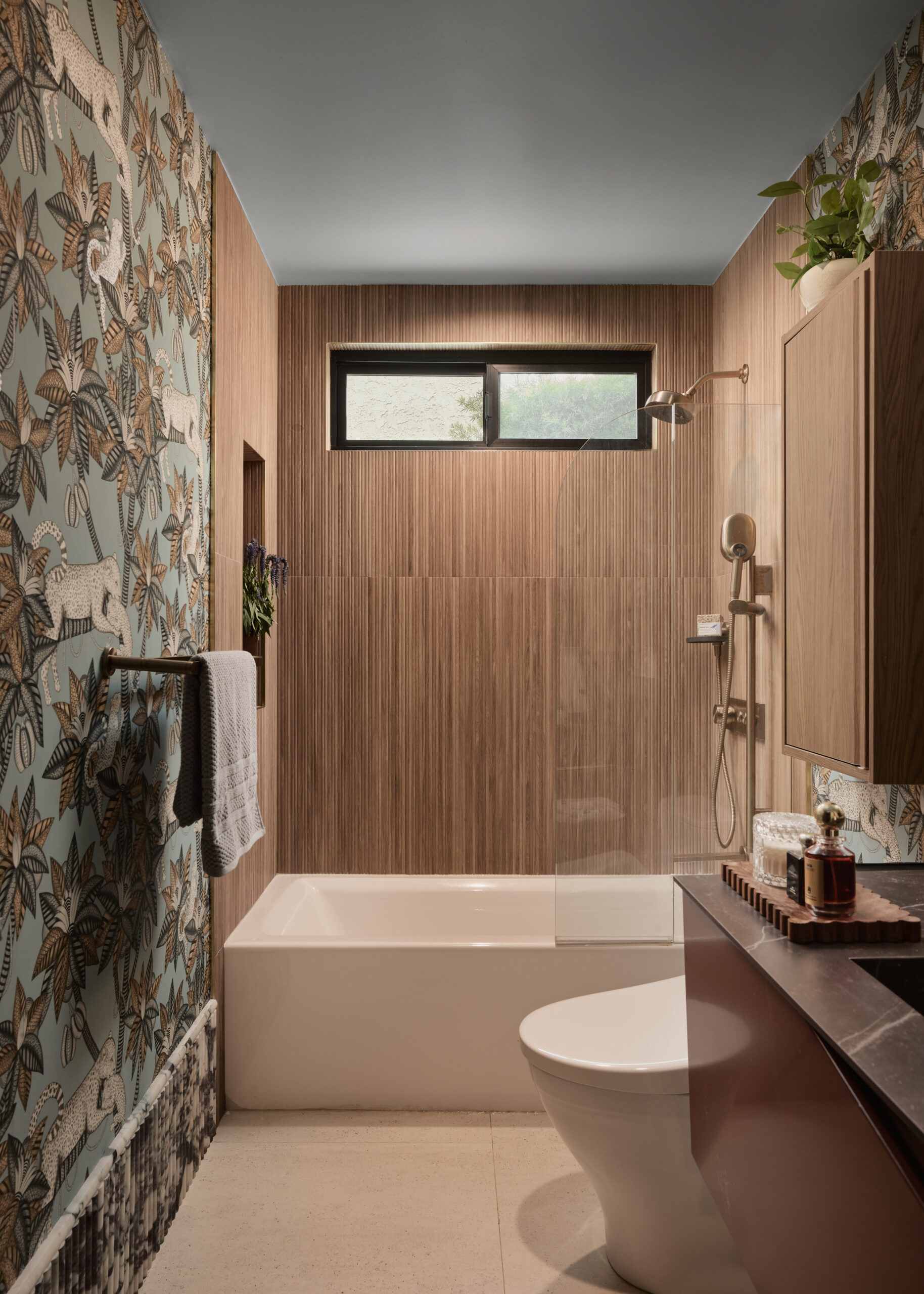
The shared guest bathroom was rebuilt around accessibility: a curbless shower entry, a bench at the right height, lever fixtures and grab bars that are mounted into blocking and finished in a brass that reads as intentional. Nothing looks like it was purchased from a medical catalogue. The goal was safety that disappears into the design rather than announcing a diagnosis.
Heritage
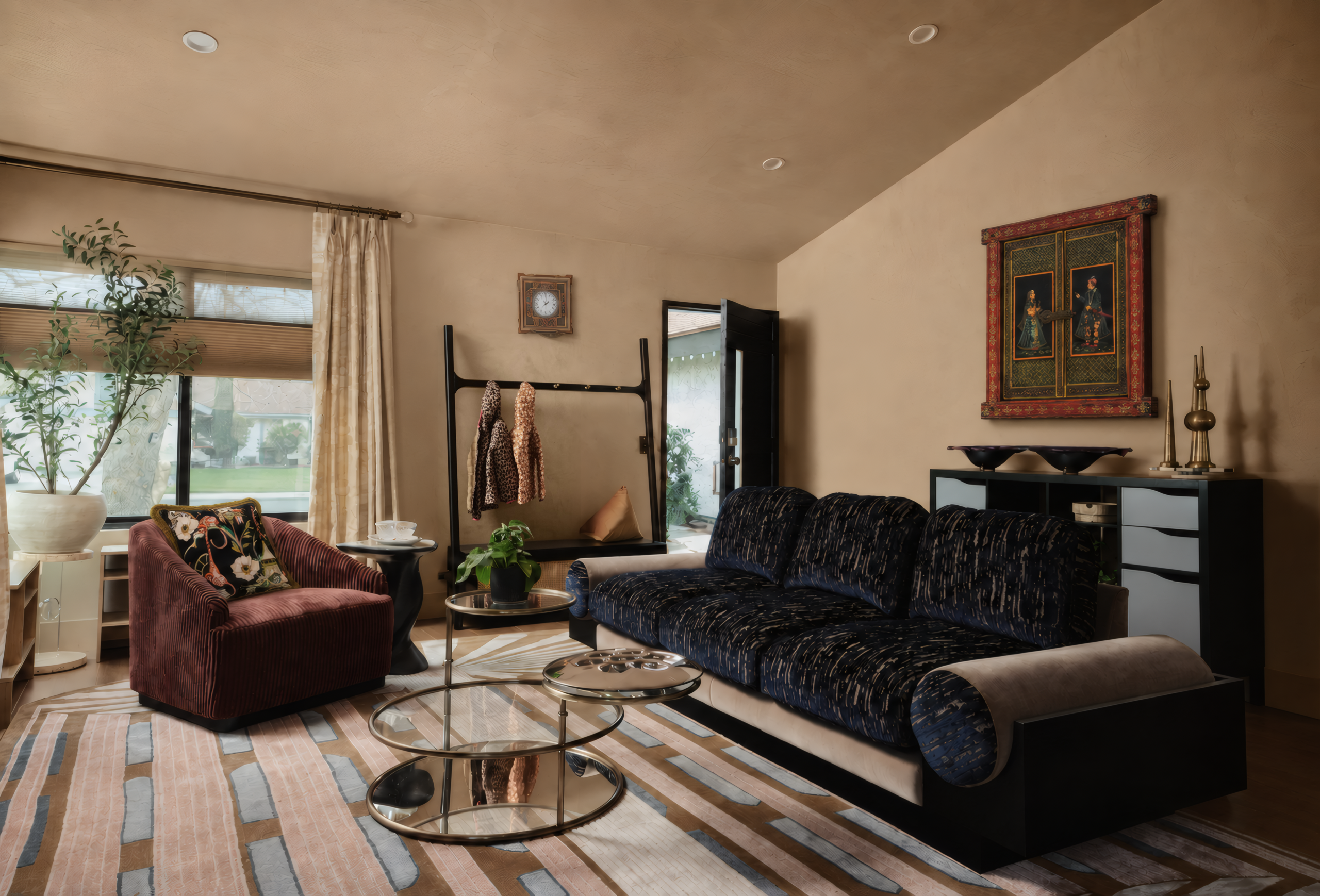
The home carries objects from three countries and four decades. A panel of Indian textile art hangs in the living room because it belongs to the family, not because it matches the sofa. Brass sculptures from Kuwait sit on a credenza chosen to give them the right scale. The heirloom placement was not decorative; it was spatial—finding the sight lines, the lighting and the surface heights that let each piece land the way it did in the home it came from.
Rooms with personality
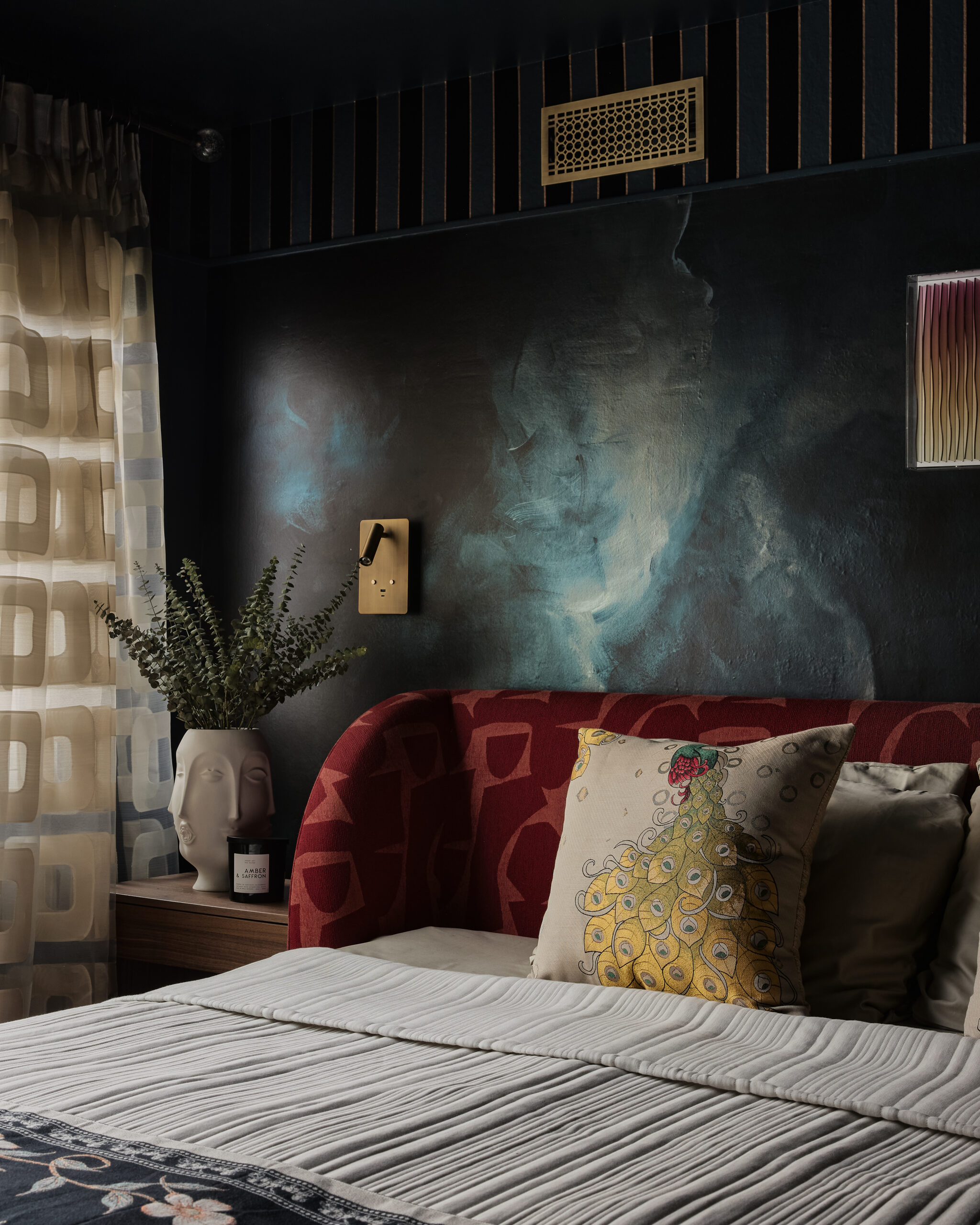
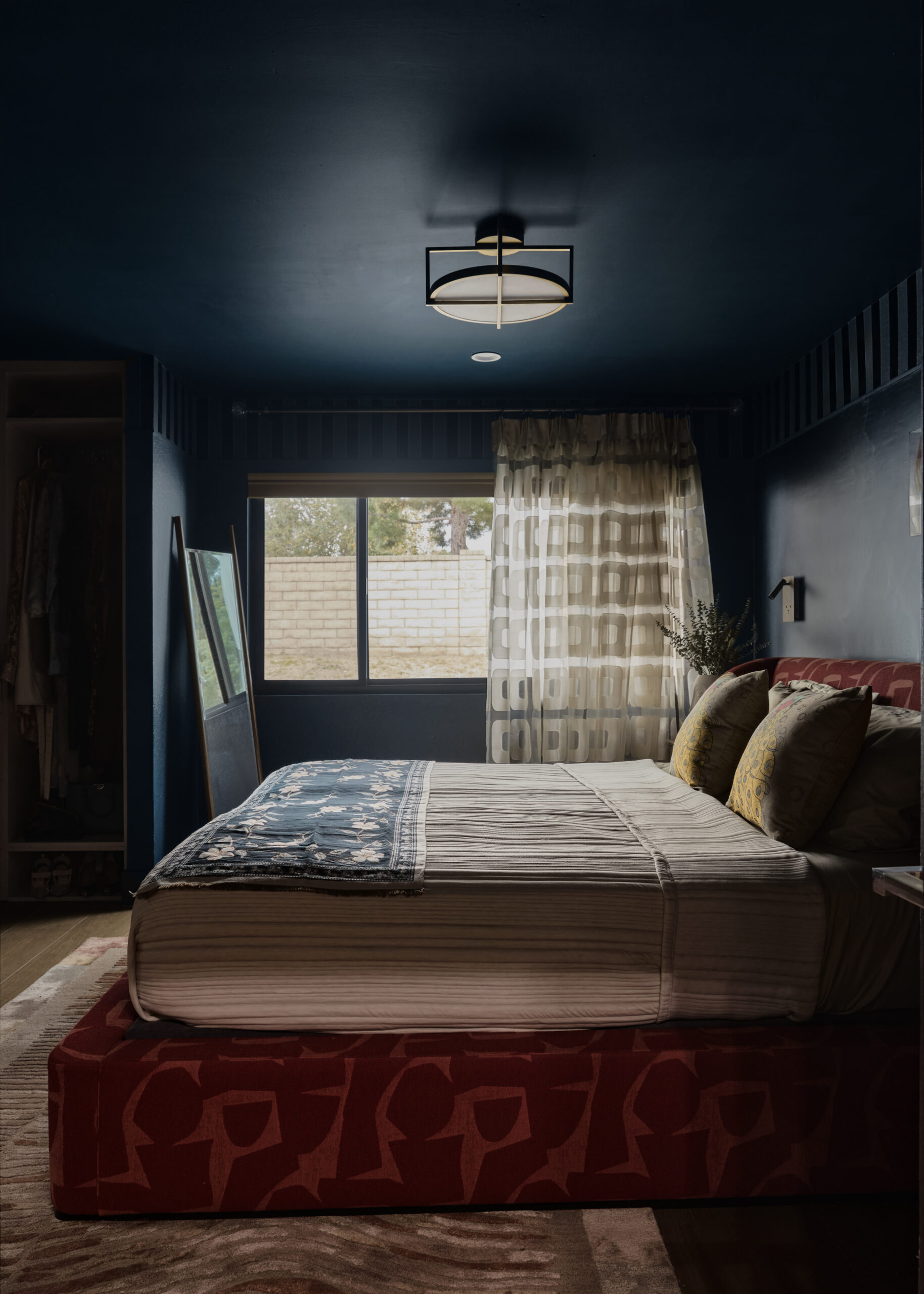
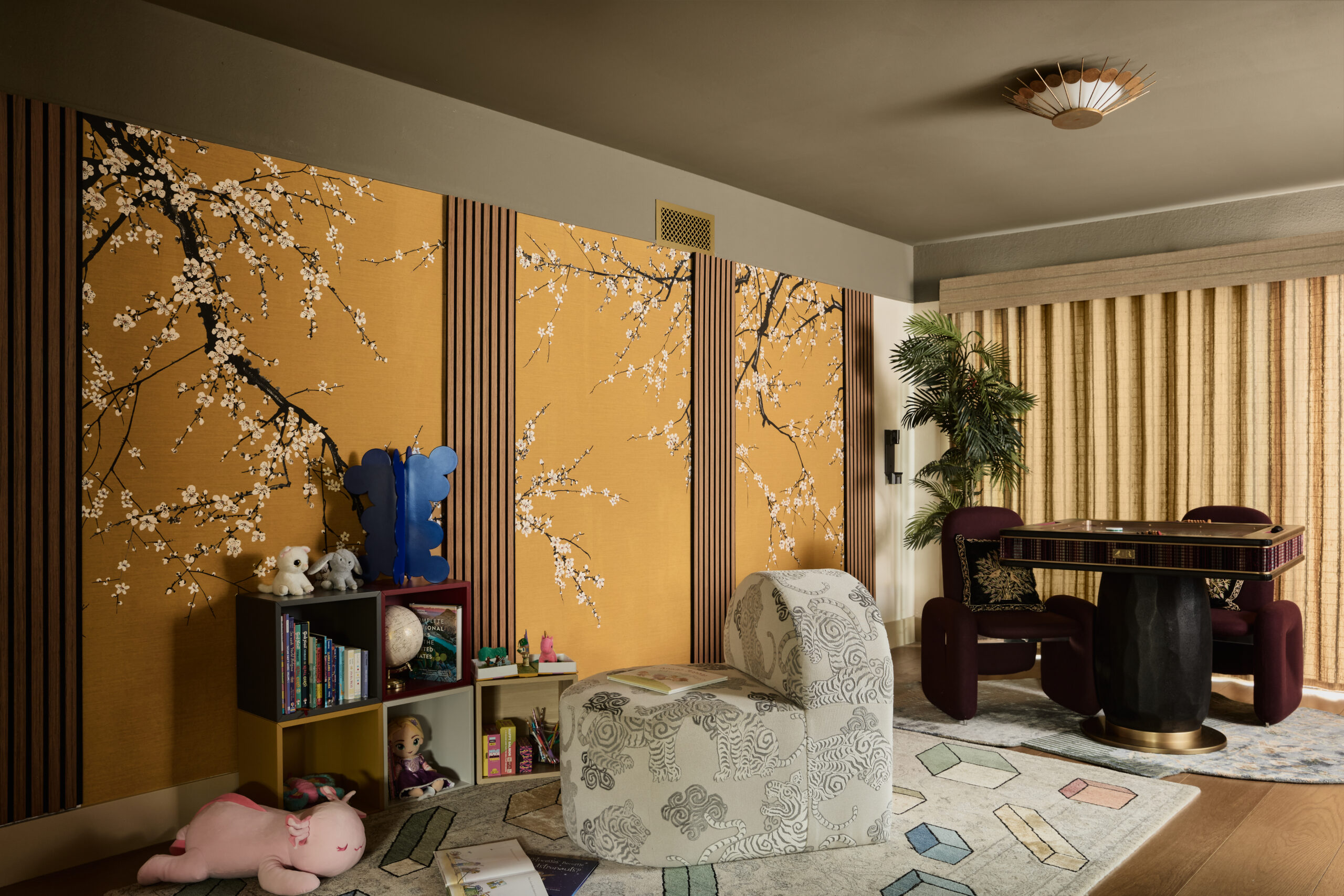
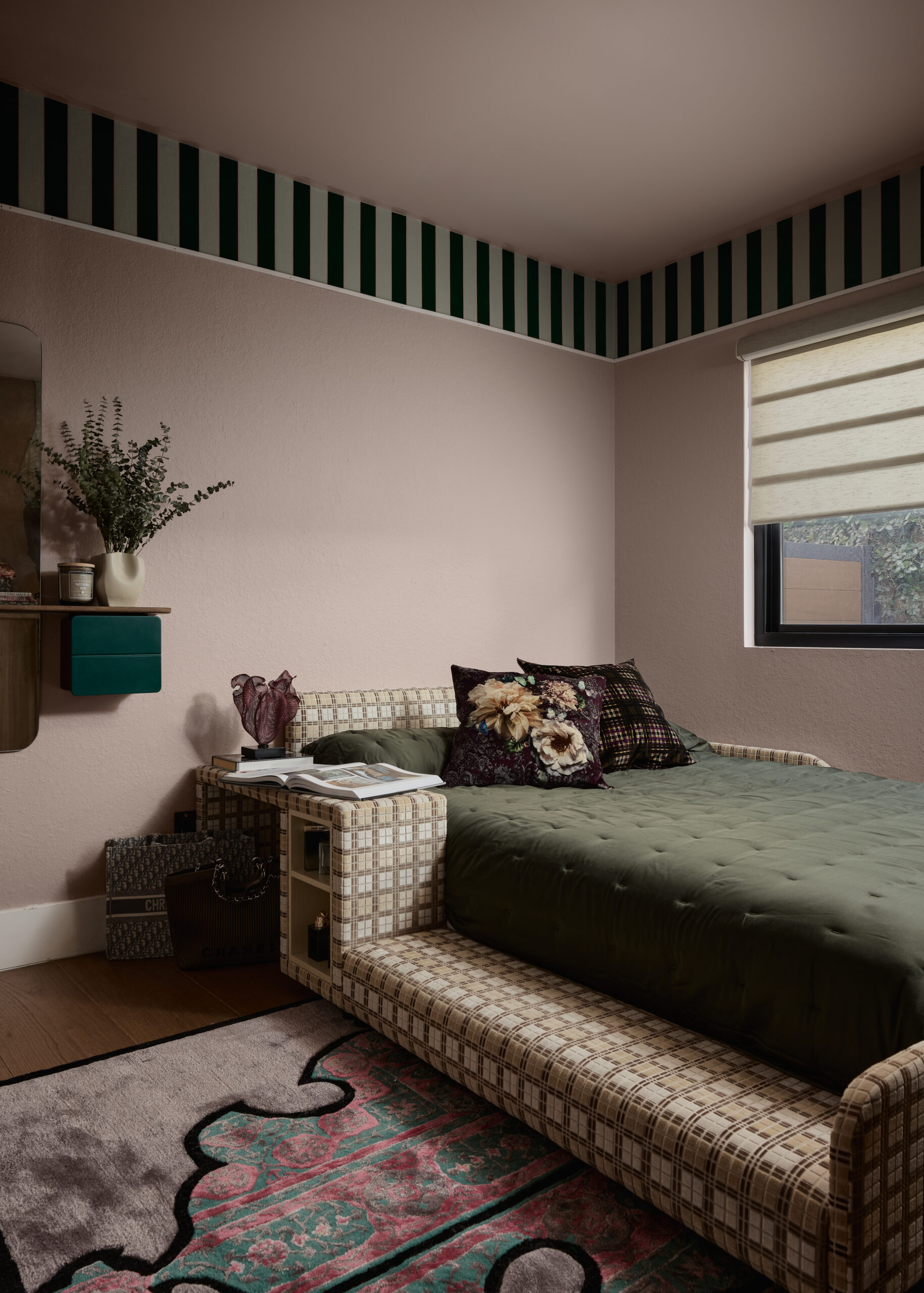
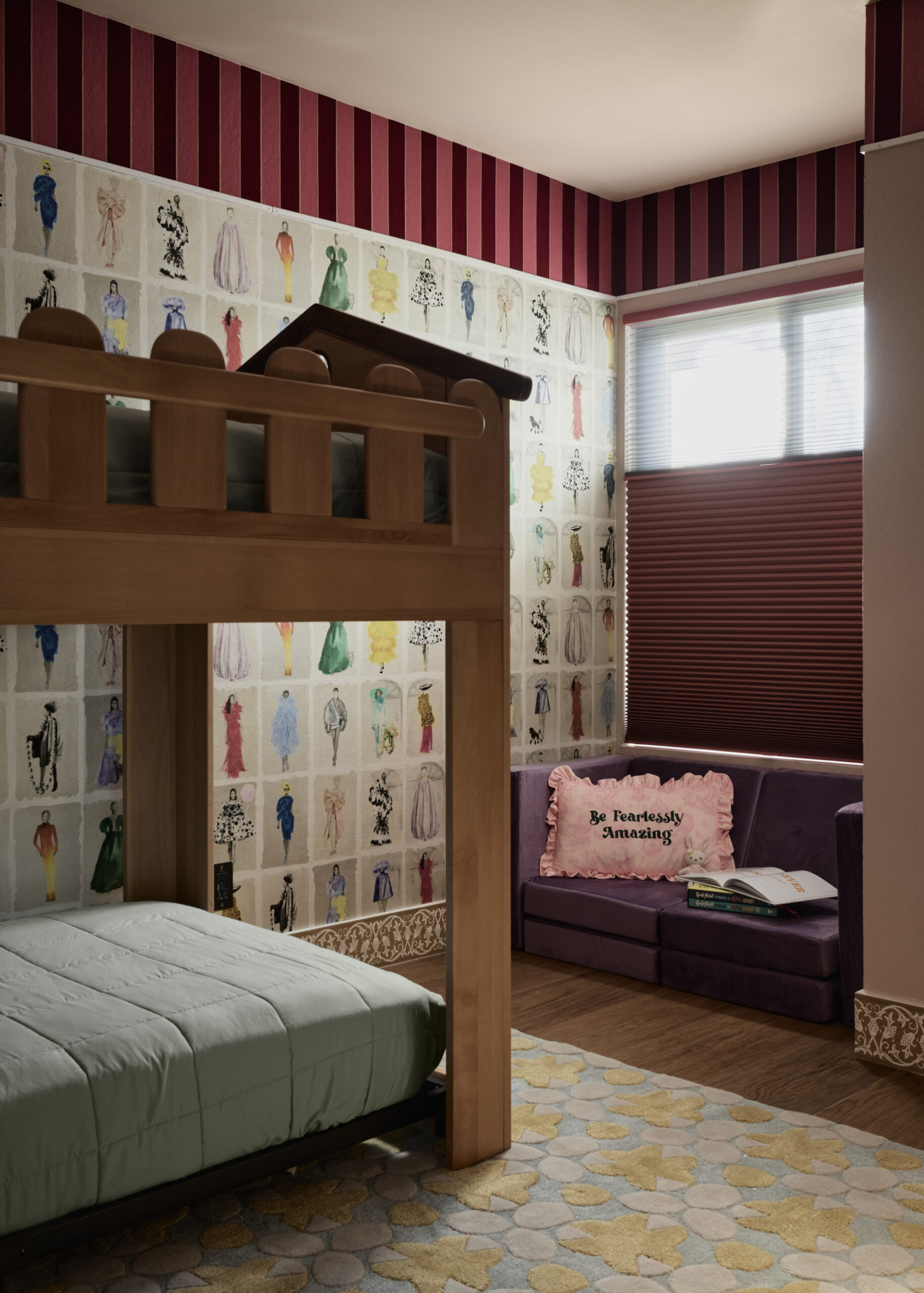
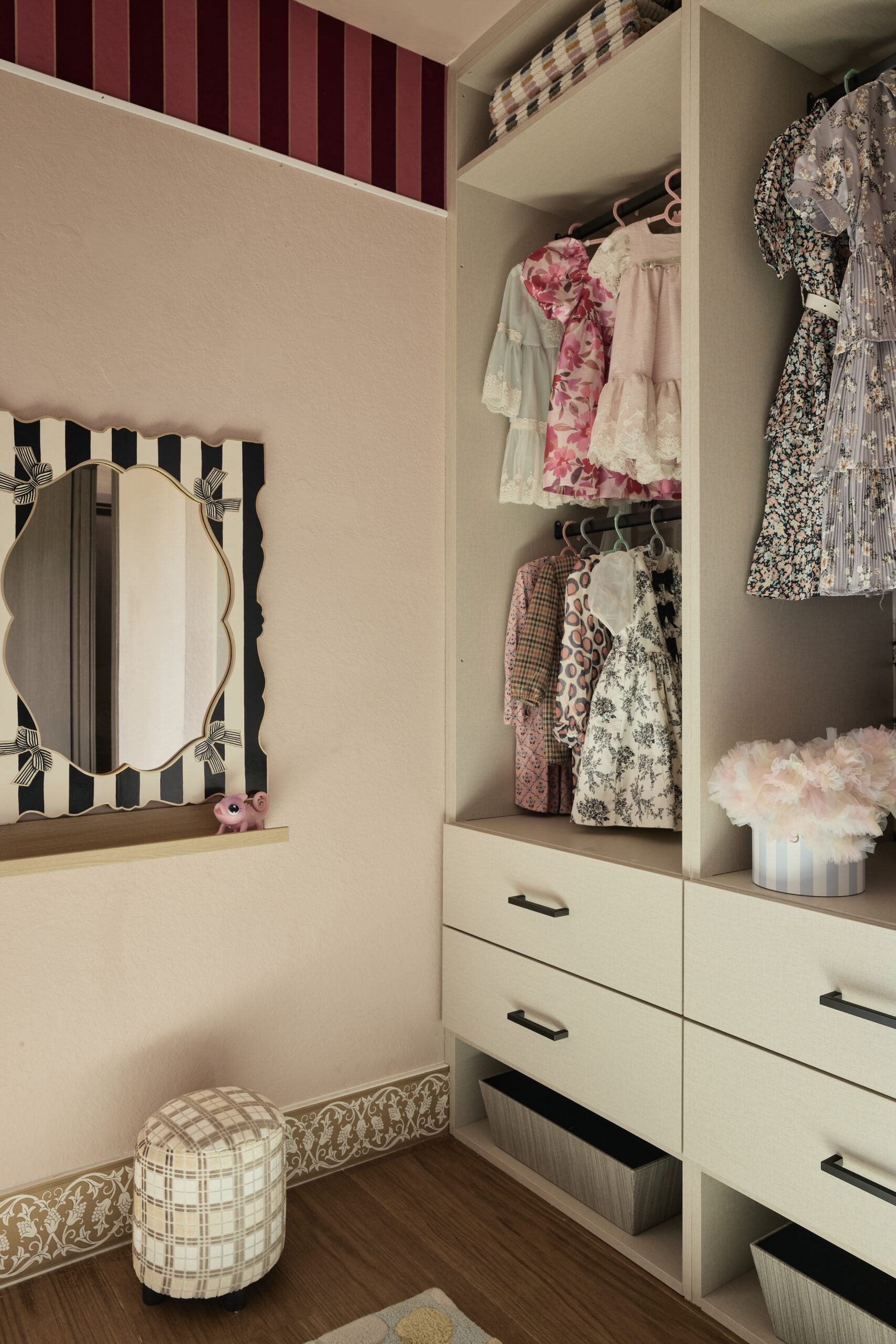
The daughters’ rooms were designed to grow with them, with furniture that can be rearranged as interests shift and storage that a child can reach. The grandparents’ suite was treated as a self-contained retreat—not a guest room with a longer stay, but a private space with its own rhythm, its own light and its own door to the garden.
The House That Holds Us is an ongoing project. It is the proof that multigenerational design is not about square footage or style. It is about asking the right questions about how people move through a day, and then building the answers into the walls.
120 Years of Rolls-Royce.

Every project starts
with a conversation.
Whether it’s a boutique hotel, a branded space, or a home shared across generations, the first step is the same: tell me what is true about your place and your people.
Start a Conversation